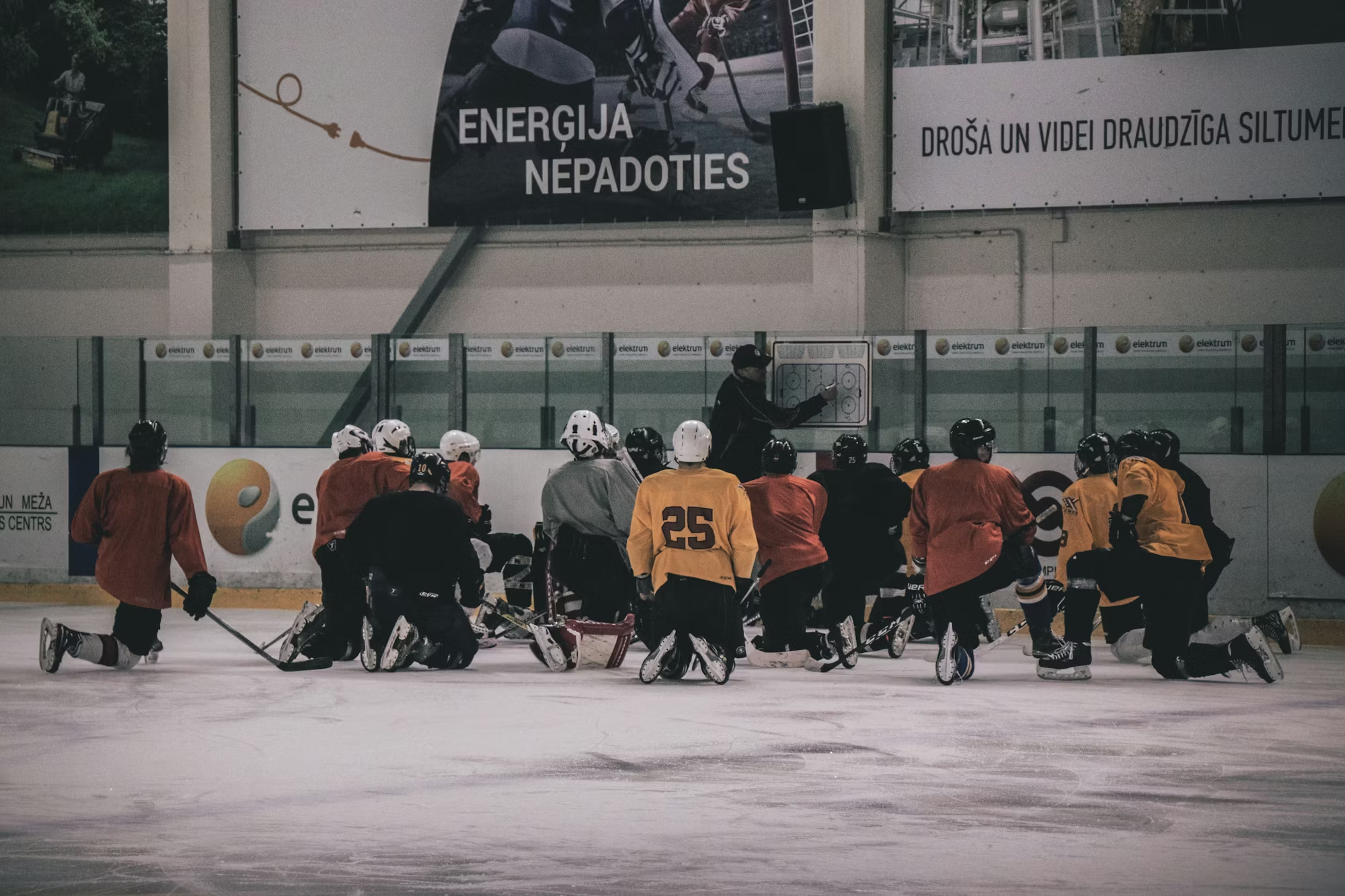
Team sports play a pivotal role in personal development, offering participants a unique environment to cultivate essential skills that extend well beyond the playing field. Engaging in sports like soccer, basketball, or volleyball not only promotes physical fitness but also fosters qualities such as teamwork, leadership, and resilience. This article delves into how these sports shape individuals, preparing them for challenges in life and contributing to their overall growth. At the heart of team sports is the principle of teamwork. Players must collaborate to achieve a common objective, whether it’s scoring a goal or winning a match. This collaborative spirit teaches individuals the importance of communication, trust, and shared responsibility. Young athletes learn to recognize the strengths and weaknesses of their teammates, enhancing their ability to work harmoniously with others. Such experiences cultivate a sense of camaraderie and community, fostering relationships that often extend beyond the sport itself. Different types of team sports provide various avenues for developing these teamwork skills. In basketball, players must constantly communicate and coordinate their movements, adapting to the fast-paced nature of the game. Soccer emphasizes strategic positioning and collaboration, requiring players to anticipate each other’s actions to create scoring opportunities. Each sport reinforces the idea that collective effort is vital for success, highlighting the importance of collaboration in both sports and life. The historical context of team sports reveals their significance in shaping cultures and communities. From ancient civilizations participating in competitive games to the establishment of organized leagues, team sports have long served as a means of bringing people together. The Olympic Games, for example, celebrate athletic achievement while promoting unity among nations. Understanding this historical evolution enriches our appreciation for how team sports contribute to personal development and community engagement in contemporary society. Beyond physical skills, team sports foster essential personal qualities that aid in individual growth. Players develop resilience as they navigate the highs and lows of competition, learning to cope with disappointment and celebrate success. This emotional intelligence is vital in life, equipping young athletes to handle various challenges outside the realm of sports. Coaches play a crucial role in this development, acting as mentors who guide players through their journeys. By providing support and constructive feedback, coaches help athletes build self-esteem and confidence, reinforcing the belief that hard work and determination can lead to achievement. The influence of iconic teams and athletes cannot be understated in shaping personal development. Figures like Serena Williams, Lionel Messi, and Michael Jordan exemplify dedication, perseverance, and leadership. Their stories inspire young athletes, demonstrating that success is attainable through commitment and teamwork. These role models showcase the values of hard work and resilience, motivating the next generation to pursue their passions and embrace the challenges that come their way. The culture surrounding team sports further enhances personal development. Fans rally around their teams, creating a sense of community that extends beyond the field. Game days become social events, where families and friends come together to support their teams, fostering relationships and shared experiences. This communal aspect of team sports underscores the importance of belonging and social interaction, which are vital for personal growth. Effective coaching and management are essential for nurturing personal development in athletes. Coaches must balance skill enhancement with character building, creating an environment where players feel empowered to take initiative and lead. Different coaching styles can influence personal growth; some coaches emphasize discipline and accountability, while others focus on encouragement and support. Regardless of the approach, successful coaches understand the importance of creating a positive and inclusive atmosphere that fosters growth and development. Sportsmanship and ethical behavior are integral to the personal development fostered through team sports. Teaching young athletes about respect for opponents, fair play, and humility instills values that are crucial for their development as individuals. Leaders in sports embody these principles, demonstrating that true success involves integrity and accountability. Engaging in team sports teaches youth about character, shaping them into well-rounded individuals who value respect and ethical conduct. The broader societal impact of team sports on personal development is profound. Local leagues and youth programs provide accessible opportunities for children and adolescents to participate in sports, promoting physical activity and teamwork. These initiatives are crucial for building a strong foundation for personal growth, emphasizing the importance of collaboration and resilience. Grassroots movements play an essential role in nurturing talent and enthusiasm for team sports. Schools and community organizations often serve as the backbone of youth sports programs, providing resources and support for young athletes. By creating inclusive environments, these initiatives ensure that individuals from diverse backgrounds can participate and thrive, reinforcing the notion that personal development is attainable for everyone. In conclusion, team sports represent a powerful catalyst for personal development. They teach valuable life skills, foster resilience, and enhance social connections among participants. The impact of team sports extends beyond individual achievements, enriching the lives of athletes and strengthening communities. As we recognize the importance of team sports in personal development, it becomes essential to support initiatives that promote participation, inclusivity, and the positive values inherent in teamwork and collaboration.